A natural all-rounder:Veneer is a true climate protector
Zülpich. Climate protection means security for present and future generations. However, many people wonder what they themselves can do to reduce emissions of climate-damaging CO₂. The Furnier + Natur (IFN) initiative from Zülpich offers some practical advice on this.
It has been known for more than 200 years that wood absorbs CO₂ from the atmosphere and stores carbon in the long term. It is not without reason that forests are regarded as ‘green lungs’ and important carbon sinks. Sustainable forest management, reforestation with suitable tree species and the use of wood products are therefore crucial. “Wood is a precious gift from nature. Anyone who consciously buys wooden products and avoids plastic can do a great deal to help slow down climate change,” emphasises IFN Managing Director Dirk-Uwe Klaas. Everyone can play their part – even the youngest children. Sustainable, certified toys made from wood or thick veneer are all the rage and introduce children to one of the world’s most valuable raw materials in a playful way.
Veneer has long been a ‘must-have’ in adults’ everyday lives too. Many caterers already rely on cutlery or crockery made from veneer. Anyone shopping for their next party or barbecue season will find an environmentally friendly alternative here. The same applies to packaging: paper, cardboard or veneer sleeves are good options. And if you fancy it, why not give a plastic-free supermarket a go? Wax or beeswax wraps are ideal for keeping food fresh. For school, training or work, durable lunchboxes – like the wooden or metal ones of old – are also recommended.
Today, veneer can be found in countless products: from children’s toys, crockery and packaging to ballpoint pens, mouse pads, keyboards, bicycles, musical instruments, skis, surfboards and longboards, glasses, fashion accessories, lighting, furniture and car trim. As a genuine wood product, veneer is a high-quality material with an excellent environmental footprint. To produce it, a log is thinly sliced, peeled or sawn – yielding many hundreds of square metres of real wood surface. At the end of its useful life, veneer can even be composted. “Veneer is the thinnest solid wood in the world and the most economical way to use it. Its use within the framework of sustainable forest management makes an important contribution to climate protection,” Klaas concludes. IFN/DS
Initiative Furnier + Natur (IFN)
The Initiative Furnier + Natur (IFN) e.V. was founded in 1996 by the German veneer industry and its partners. Today, it is supported by European companies from the veneer industry, the retail sector and the veneer-processing industry, as well as trade associations within the timber industry. The association’s aim is to promote veneer as a natural, versatile material.
Further information on veneer is available at www.furnier.de/en/ or www.furniergeschichten.de, as well as on Instagram under #furnier_und_natur
Images 1–3: Veneer protects the climate in a visually appealing way. Photos: IFN
Image 4: Aesthetic fruit bowl made from veneer. Photo: Gofurnit GmbH, Cologne
Image 5: Stylish stool made from veneer. Photo: IFN/Kouichi Kurome, Japan
13 April 2026
Initiative Furnier + Natur e.V. – Antonigartzem 1 – D-53909 Zülpich – m +49 171 2116 650
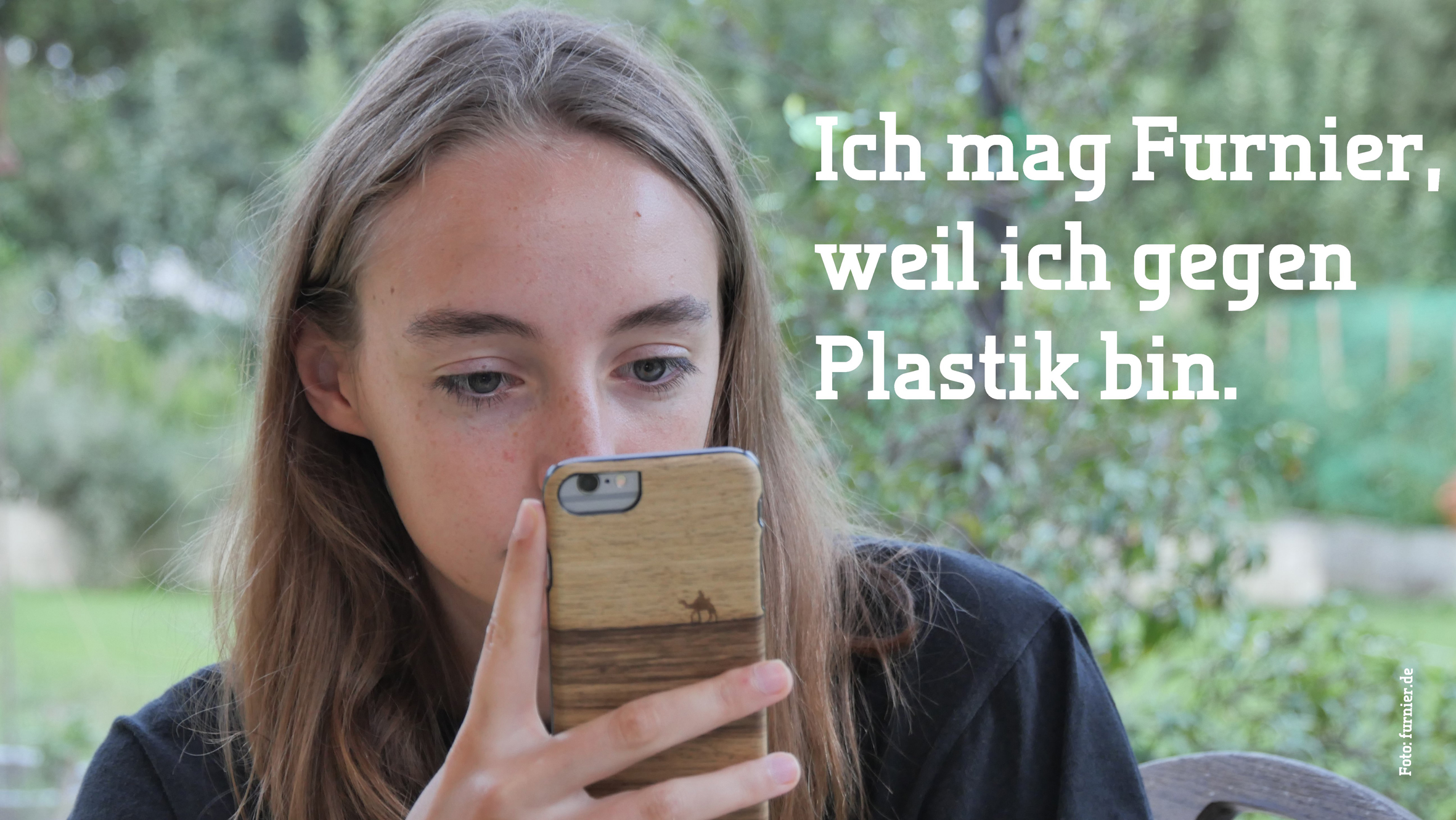
Images 1-3: Veneer protects the climate in a visually appealing way. Photos: IFN
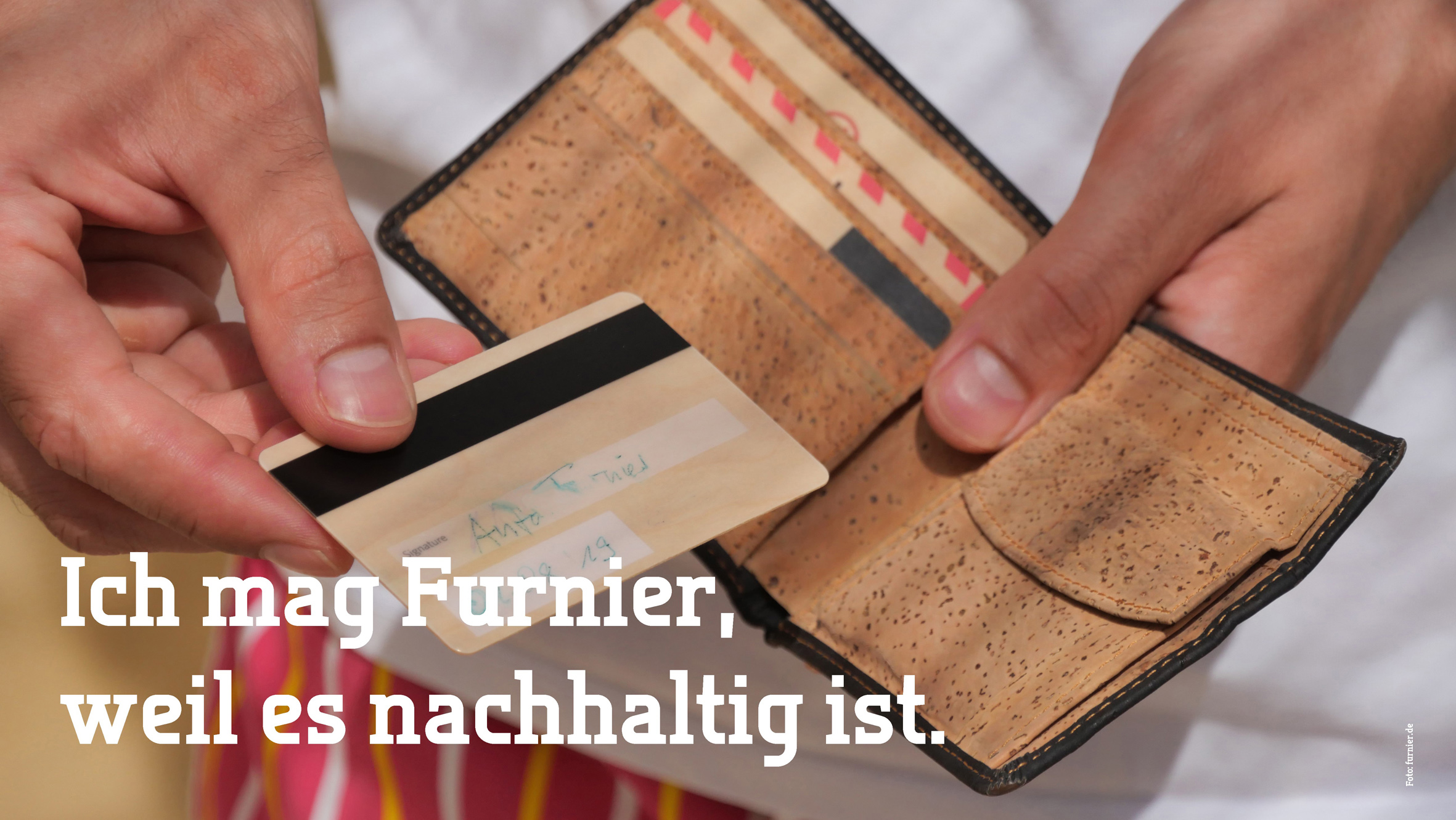
Images 1-3: Veneer protects the climate in a visually appealing way. Photos: IFN
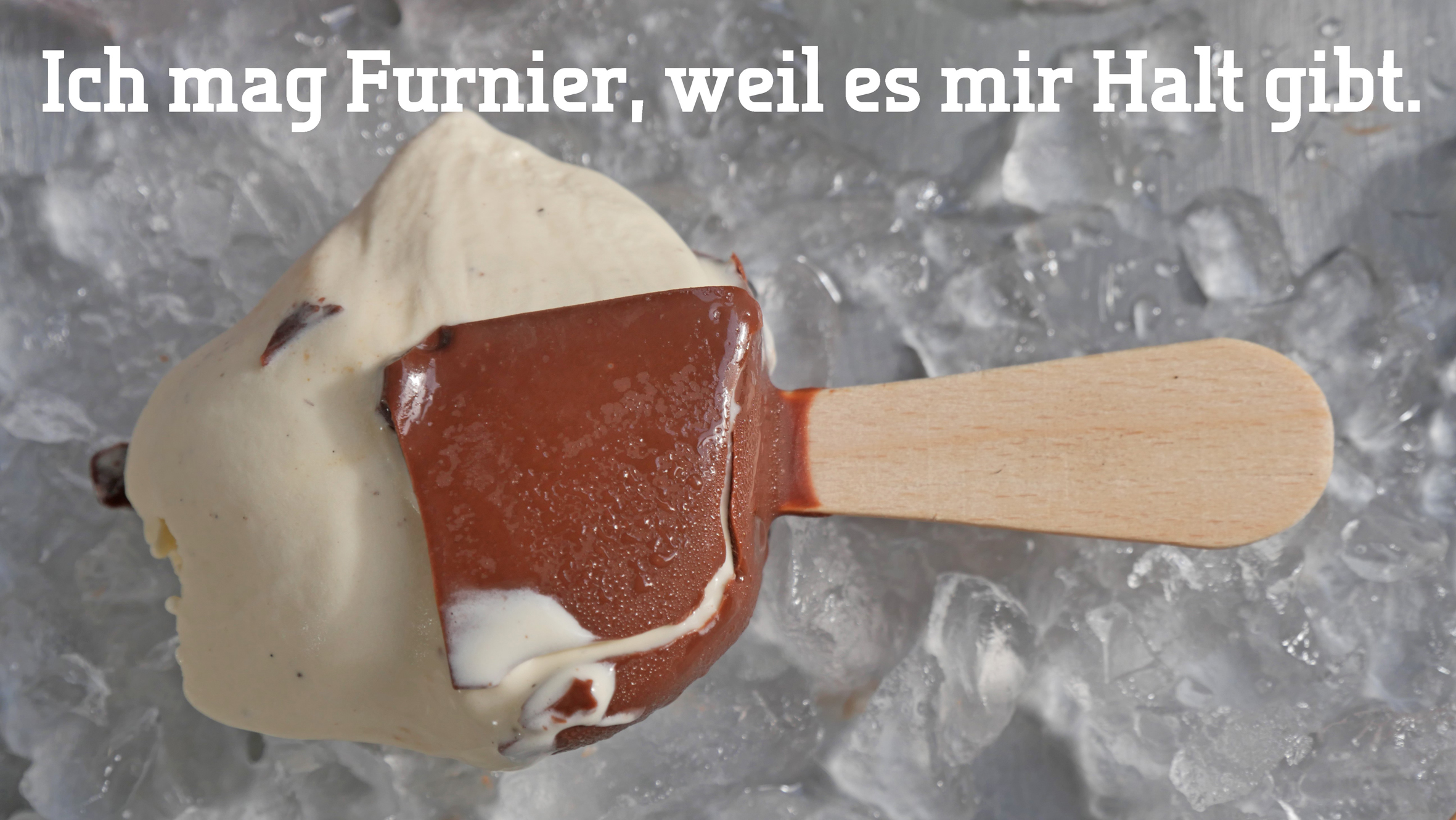
Images 1-3: Veneer protects the climate in a visually appealing way. Photos: IFN
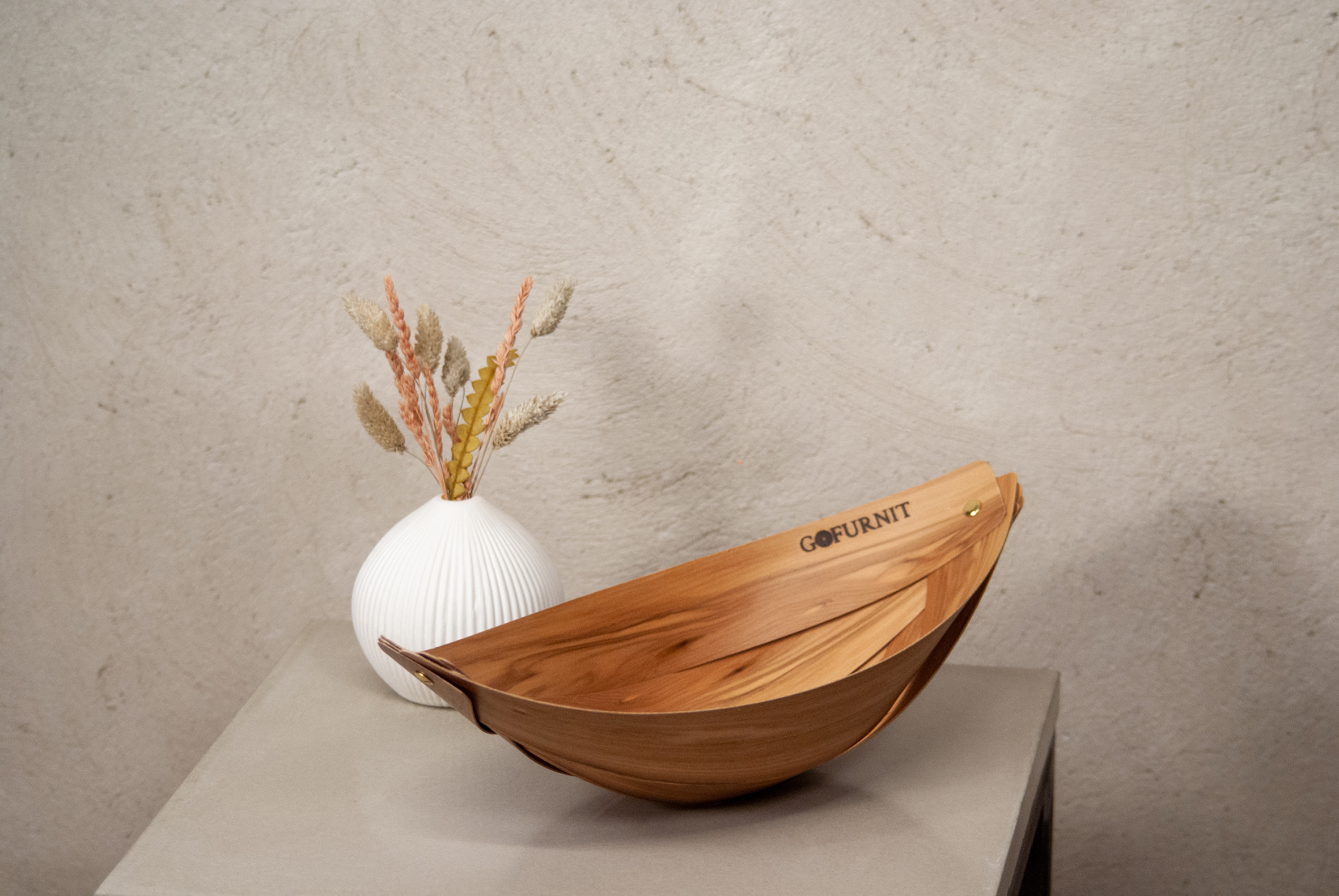
Image 4: Aesthetic fruit bowl made from veneer. Photo: Gofurnit GmbH, Cologne
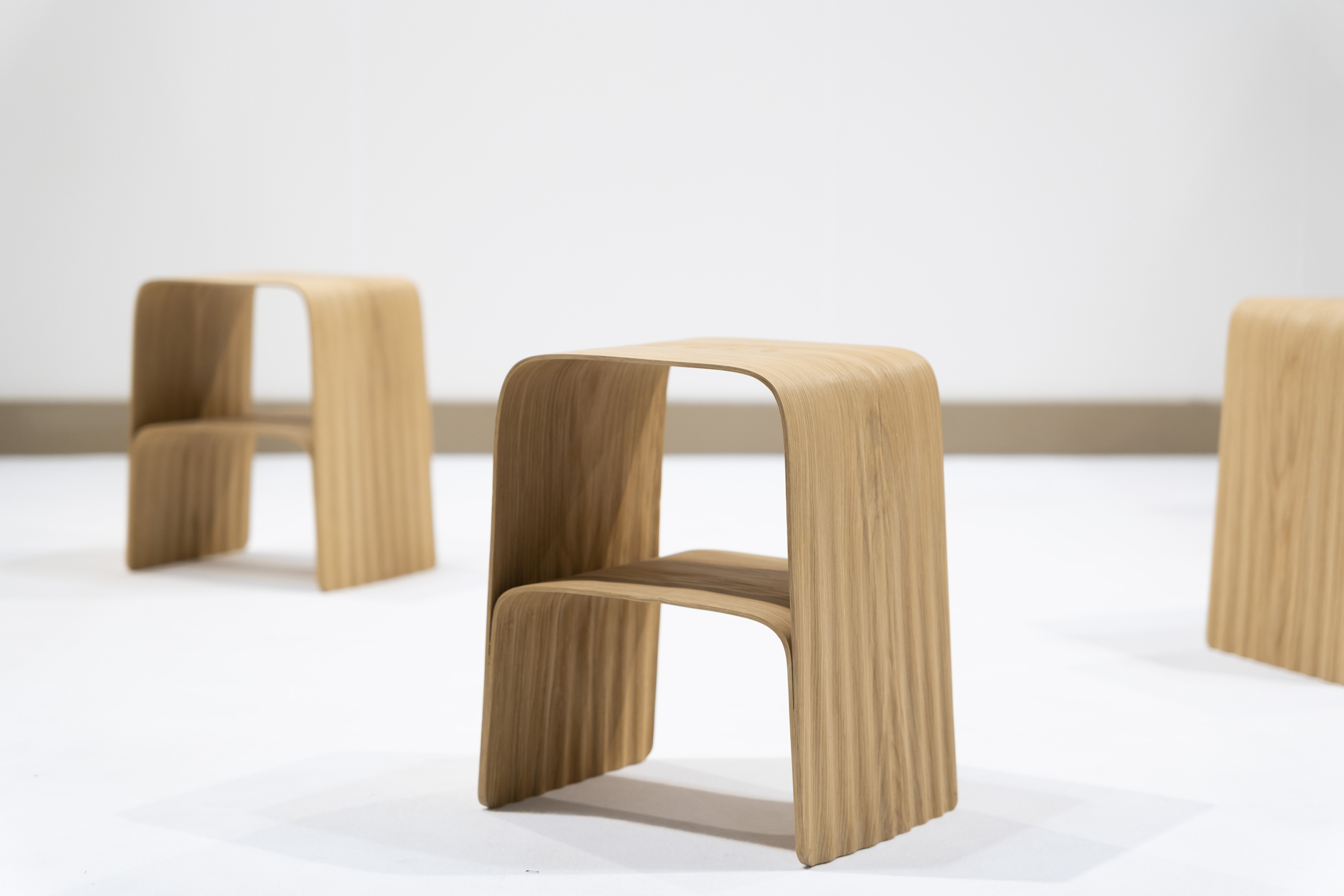
Image 5: Stylish stool made from veneer. Photo: IFN/Kouichi Kurome, Japan